A structural challenge in the rural clean-heating business is that equipment sales are one-time transactions: once a customer installs a stove, the relationship effectively ends. Entrepreneurs invest upfront in storefronts, display units, and installation teams, yet recover only a single margin per unit. Year-two revenue must be generated from scratch by acquiring new customers. Fangran Environmental Technology solves this by splitting the business into two layers: using equipment to penetrate rural markets and fuel to retain customers long-term.
Level 1: Equipment sales to achieve positive cash flow
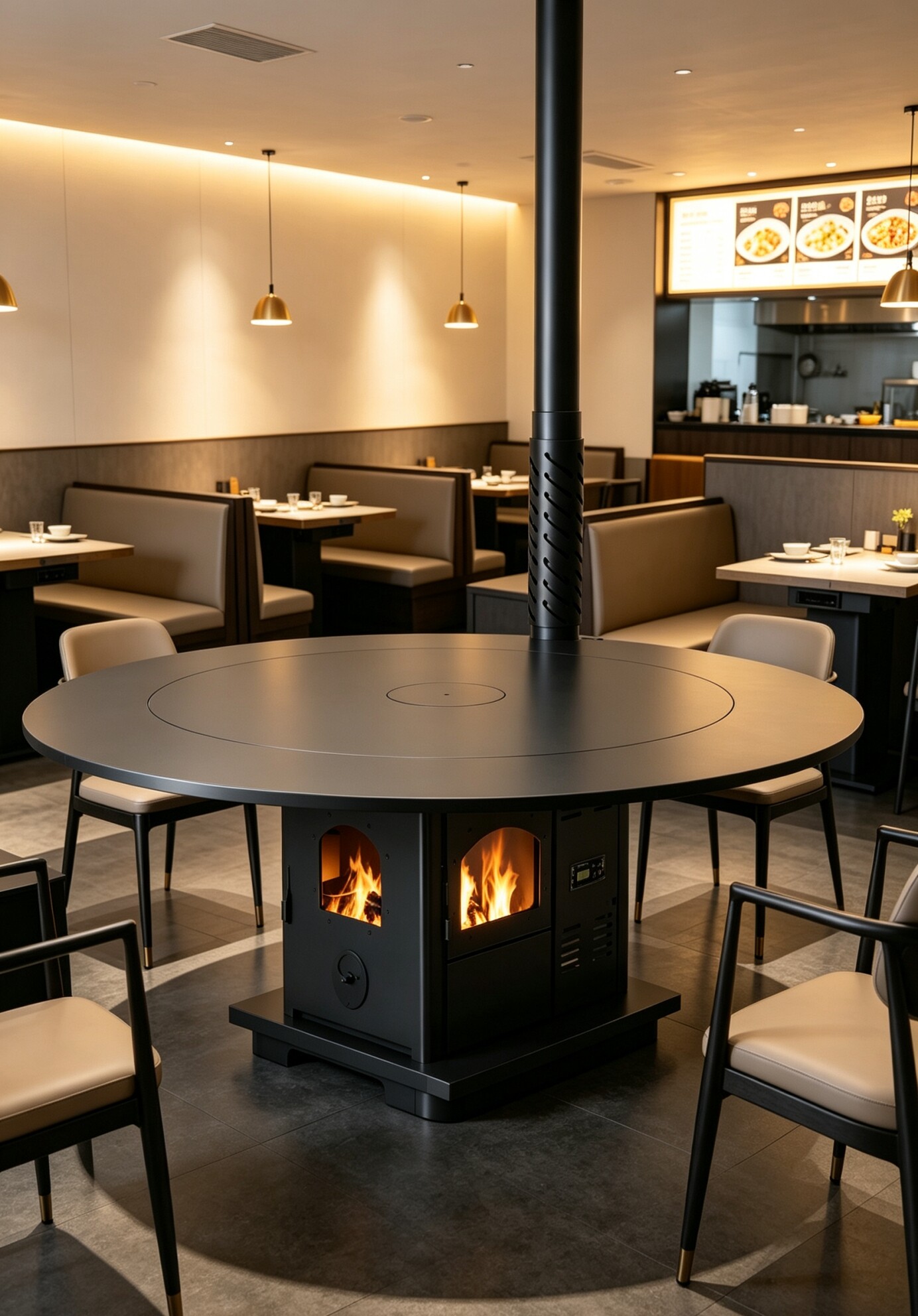
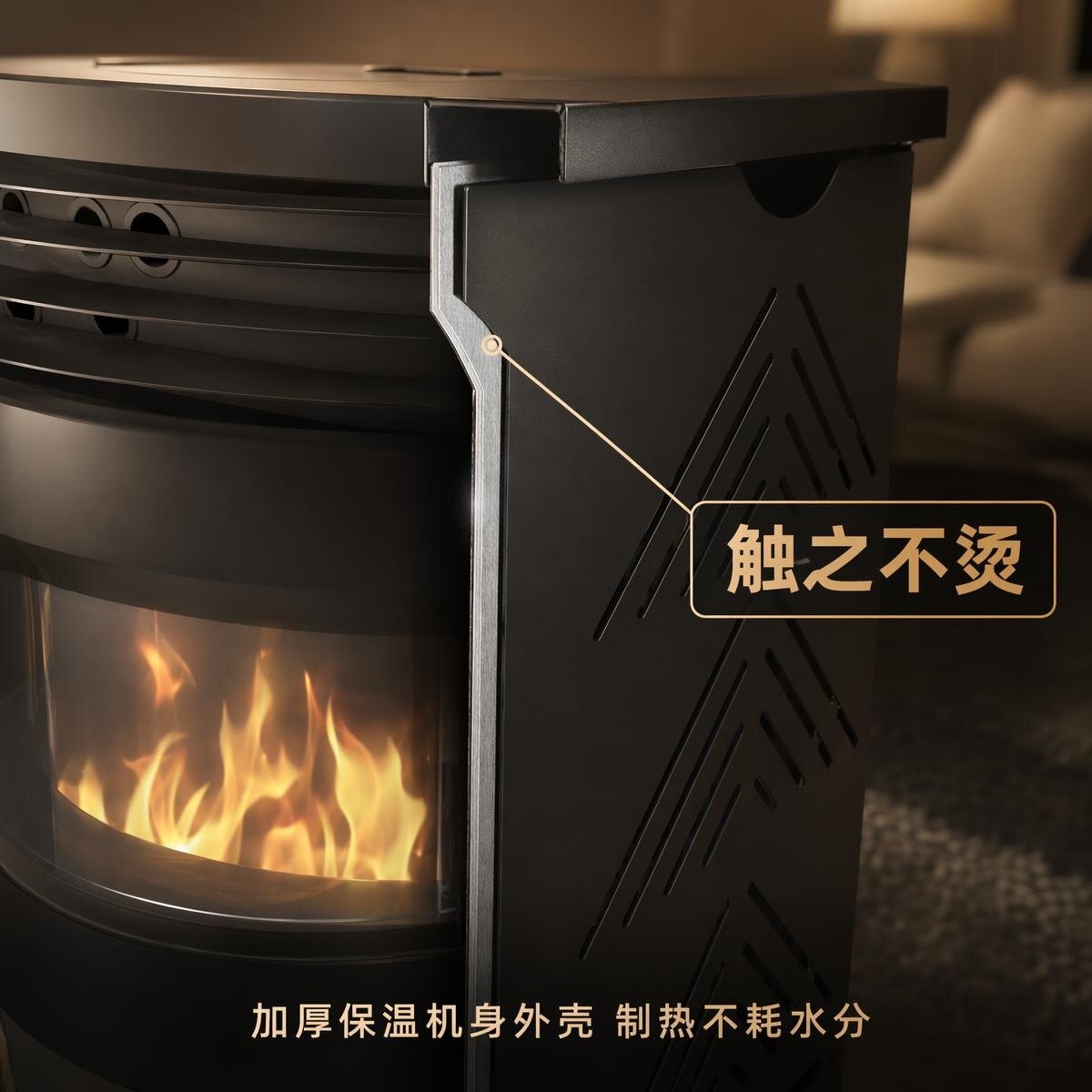
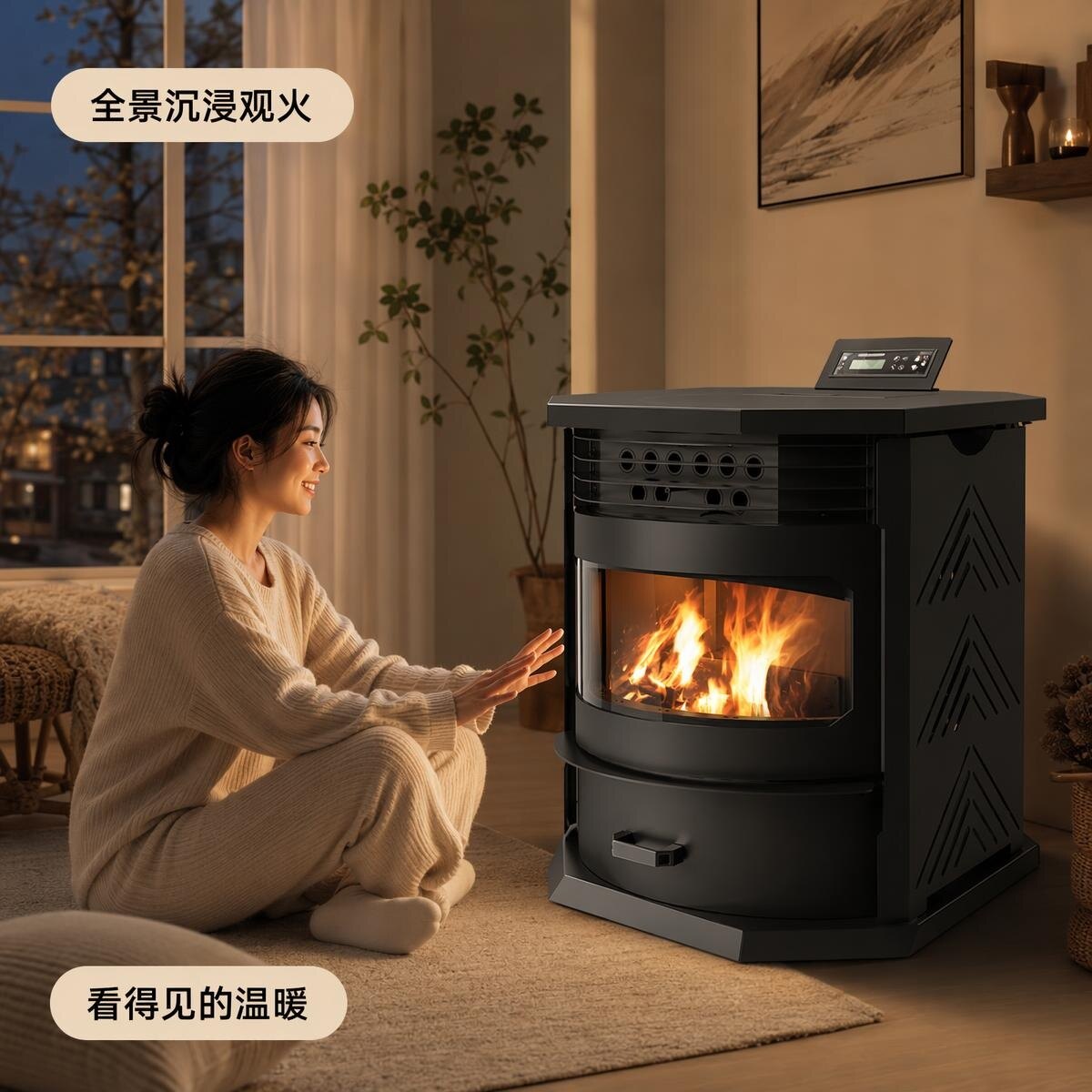
The first step for a regional agent is selling machines. Fangran's six product lines cover residential, pastoral, commercial, agricultural drying, and centralized water heating needs. From county-level self-built homes to homestays, restaurants, vegetable greenhouses, and livestock farms, there's a matching model for every application—agents don't need to bet on a single category. Three core patents back the technology: high-altitude low-oxygen combustion adaptation, fully automatic intelligent temperature control, and negative pressure safe combustion. The equipment supports altitudes from 0 to 5000 meters, meaning western high-altitude counties can enter this market without missing out due to elevation constraints.
Device-level revenue comes from retail margins on complete units and bulk supply for large-scale projects such as whole-village upgrades and government/enterprise heating. The whole-village upgrade in Fujin County, Jiamusi, Heilongjiang, covers 21000 households, while the government/enterprise heating project in Shuanghu County, Nagqu, Tibet, has already been deployed. These projects involve significantly larger transaction volumes than retail and serve as the primary channel for distributors to quickly recover their initial investments within counties. Retail ensures daily cash flow, while engineering projects drive higher volume—adopting both approaches is more stable than relying solely on retail.
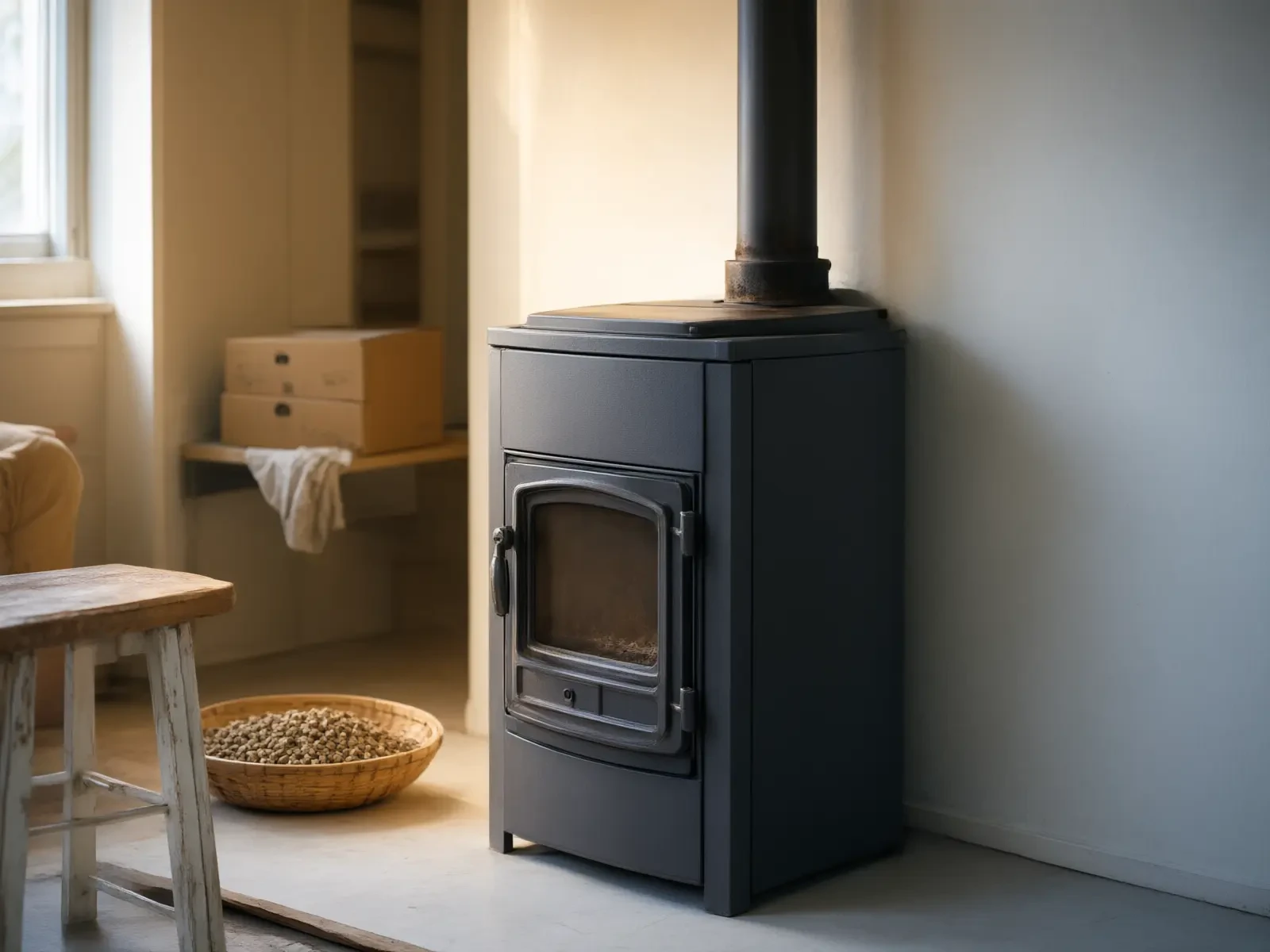
Level 2: Fuel repurchases drive recurring revenue.
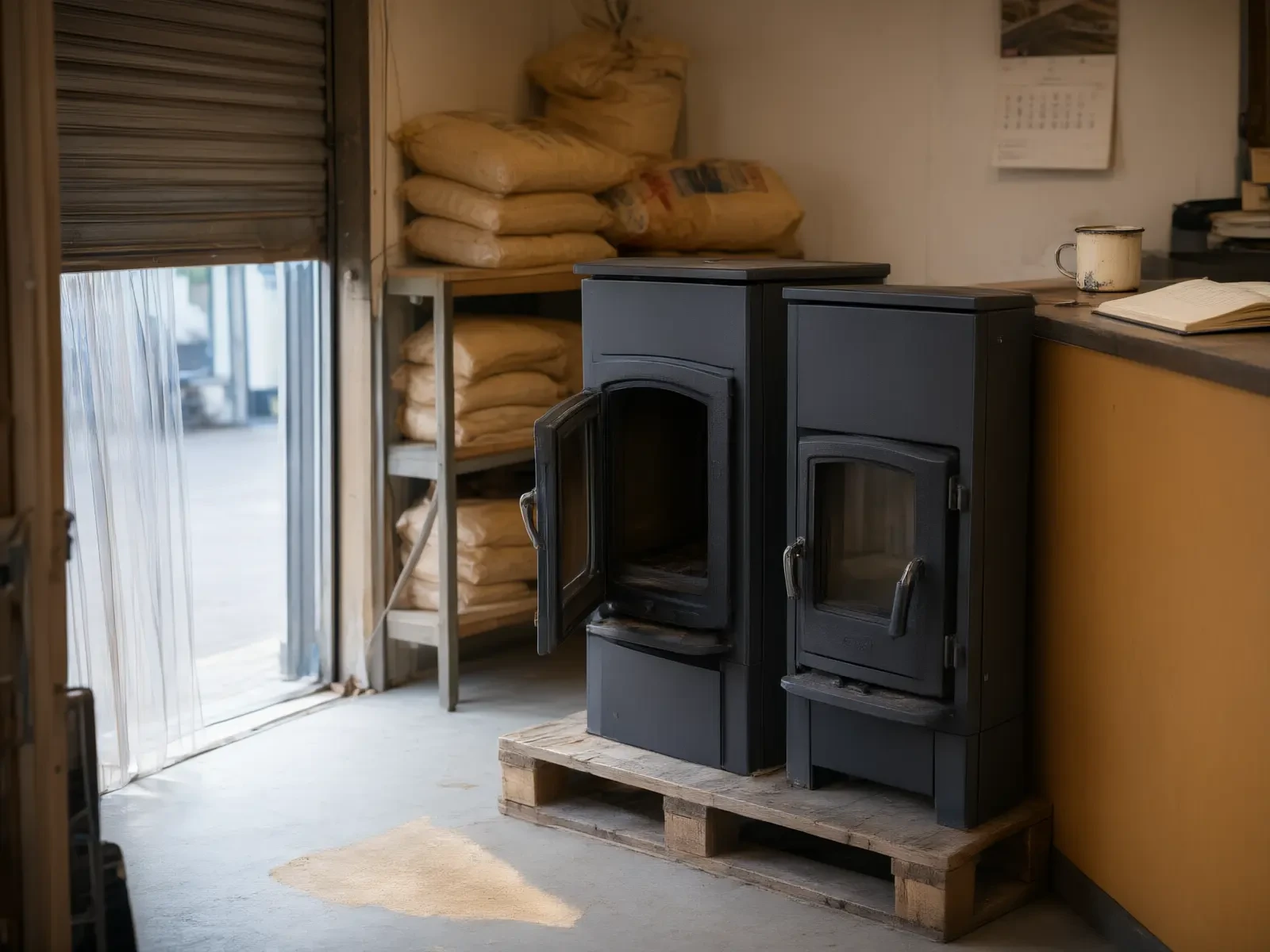
Users of pellet stoves consume biomass and straw pellets each heating season, representing an annual recurring expense. For a 100 sqm home with a 100 to 120-day heating period, Fangran biomass pellet heating costs between 1600 and 2200 yuan, while air conditioning and electric heating range from 3500 to 6000 yuan, and natural gas from 3000 to 4500 yuan. The total heating season cost is approximately half that of air conditioning and lower than coal.
This cost differential ensures stable fuel repurchases: users have no incentive to switch back to electricity or gas, so fuel demand accumulates year over year with installed units. For every unit an agent sells, they secure that customer's annual fuel orders. Equipment sales generate one-time profit, while fuel provides recurring revenue; together, these two layers allow county-level agents to stabilize their income beyond relying solely on new monthly sign-ups.
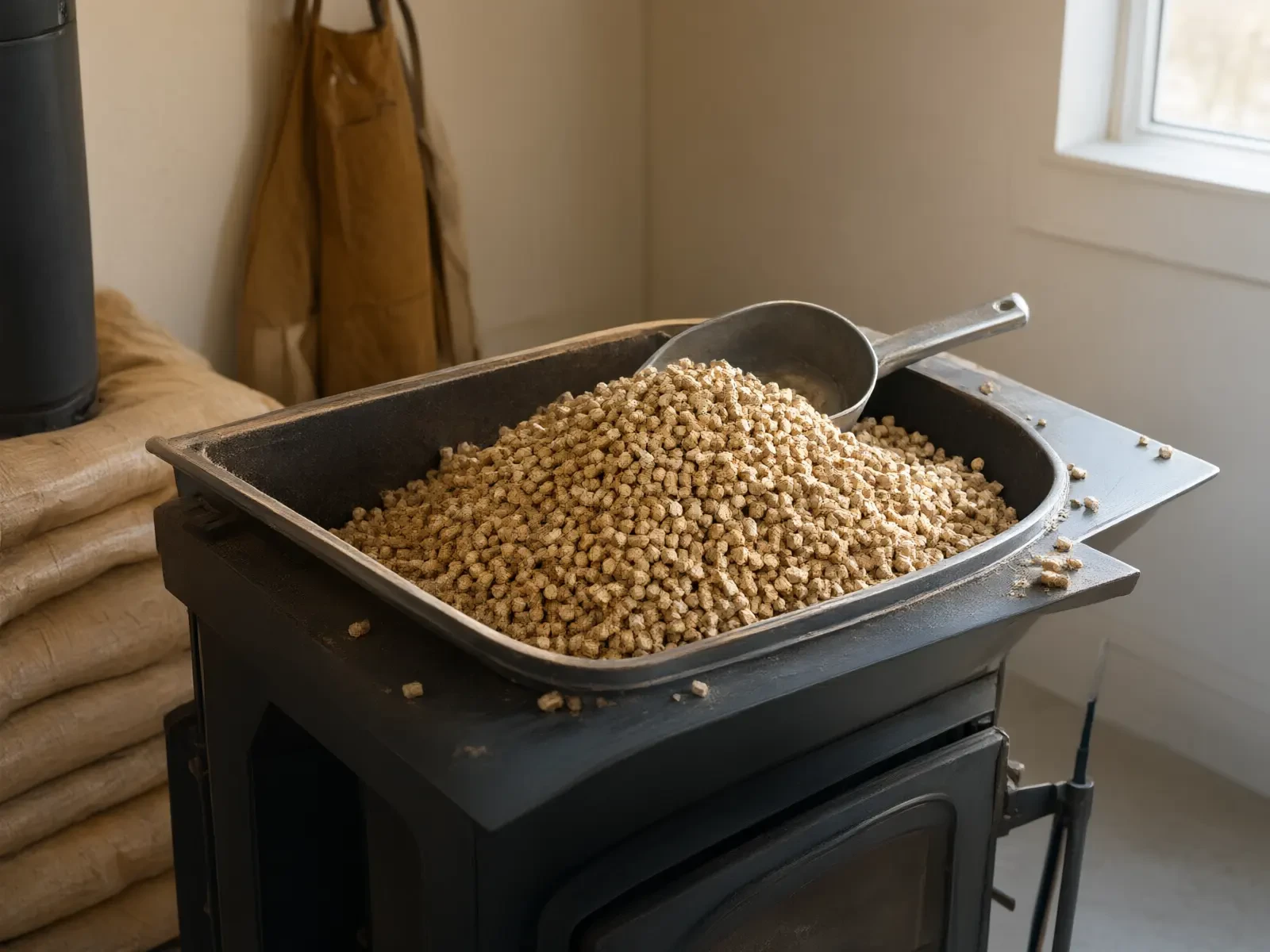
What engages the dual-loop mechanism?
Closing the loop in a two-tier business model requires three conditions. Regional monopoly authorization provides the first: exclusive county-level operations and area protection prevent internal competition within the same market, ensuring agents' fuel customers aren't diverted to neighboring regions. A full-lifecycle service system delivers the second: pre-sales surveying, mid-sales installation, and post-sales maintenance are jointly handled by headquarters and agents; installation quality directly determines equipment lifespan and user repurchase intent. Fuel supply capability fulfills the third: headquarters manages biomass fuel organization and supply, so agents don't need to build their own pellet production lines—capital-intensive operations are kept out of reach.
Choose from three flexible partnership models: regional agency, engineering projects, or supply chain collaboration. Start with regional agency if you have limited funds and team—focus on equipment and local services. Teams with engineering resources can directly tackle whole-village renovation and government-enterprise projects. Partners with raw material or processing capabilities are ideal for supply chain integration.
Three Key Calculations for County-Level Entrepreneurs
The first line of business is the market account. The intensity of local policy to replace scattered coal and the coverage of clean heating subsidies determine users' actual willingness to pay. Fangran provides both equipment and fuel supply; combined with local stove and fuel subsidies, the user's initial investment threshold is further reduced.
The second line of revenue is the service account. Installing and maintaining pellet stoves must be done locally. Existing resources in water, electricity, HVAC, and home appliance repair held by county-level entrepreneurs can be directly converted into service capabilities. This capability forms a barrier that external competitors cannot easily replicate in the short term.
The third item is working capital. Equipment inventory ties up funds, while fuel rotates on a rolling basis during the heating season. Agents should plan their initial stock based on the local heating season's duration to avoid overstocking complete units during off-peak periods.
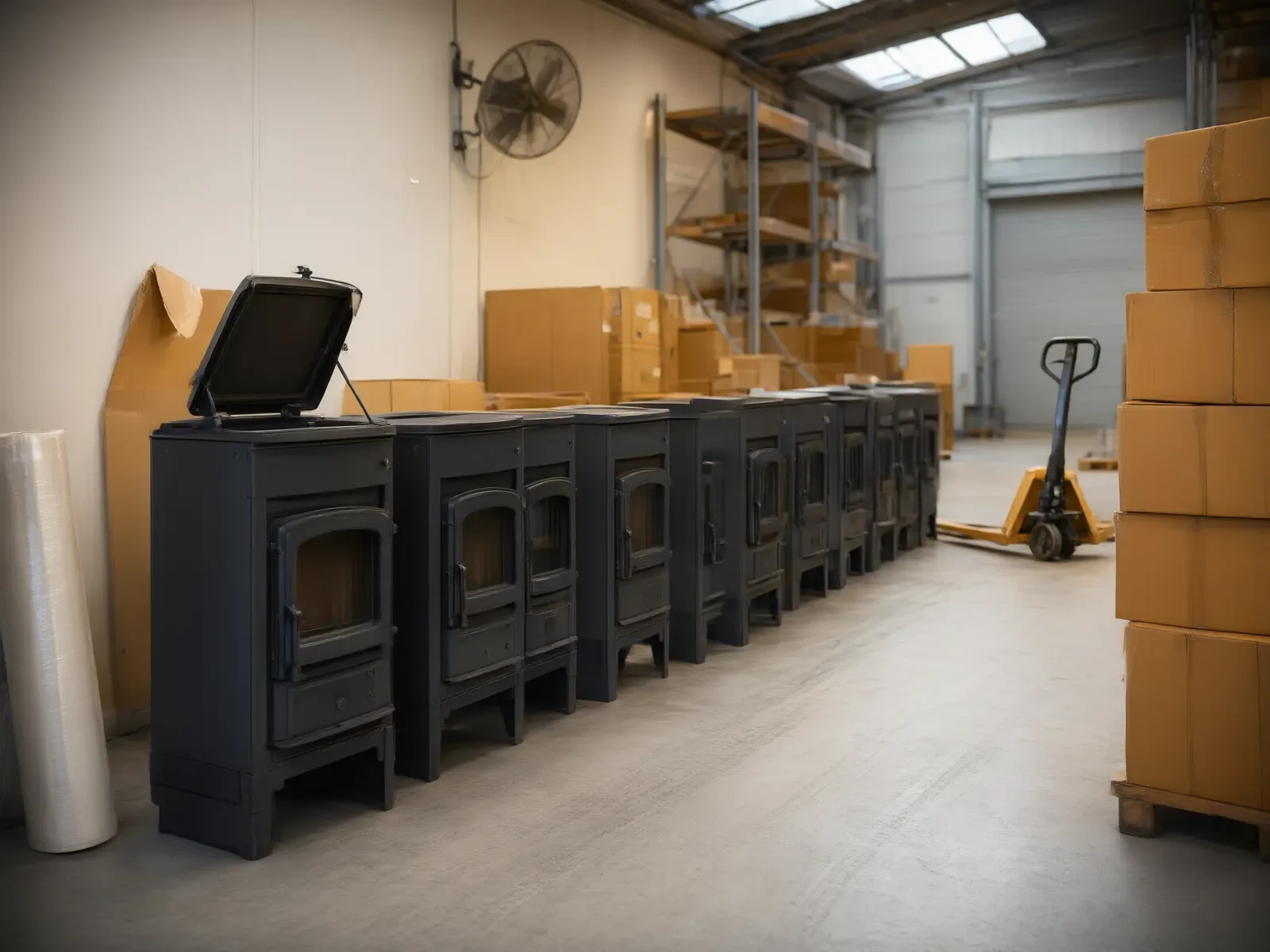
Fangran Environmental Technology has been深耕 the industry for seven years. Our operations headquarters is located in Pidu District, Chengdu. Our R&D center independently develops combustion systems adaptable to multiple scenarios, and regional agency agreements have already been finalized across several provinces nationwide. For county-level entrepreneurs, the key to determining whether a project is worth investing in lies in its ability to transform one-time transactions into repeatable business. The dual closed-loop model of equipment plus fuel directly addresses this challenge.